
Hot Water Services In Lalor
Hot Water Services Experts
Over 20 years of combined industry experience in electrical, plumbing and air conditioning
GET A FREE QUOTE
Your Local On Time Services
Hot Water System Types and What They Mean for Northern Suburbs Homes
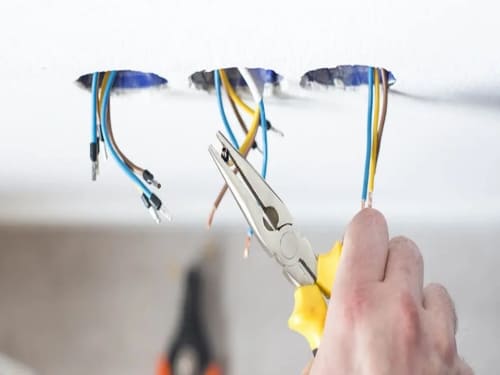
Melbourne's northern suburbs homes use a mix of hot water system types — older homes commonly have a single electric storage tank, 1980s and 1990s properties frequently have instantaneous gas systems, and newer builds increasingly use heat pump hot water systems as an energy-efficient alternative. Each type has different maintenance requirements, different failure modes, and different replacement considerations. Electric storage systems are the simplest and cheapest to replace but the most expensive to run at large capacity on peak tariffs. Gas instantaneous systems are highly efficient but require VBA-licensed gasfitters for any gas component work. Heat pump systems are by far the most energy-efficient option and qualify for Victorian government rebates but require correct placement and electrical connection. covers all three types and provides honest advice on the most appropriate solution for each home and budget.
Your Local On Time Services
When to Repair vs Replace a Hot Water System
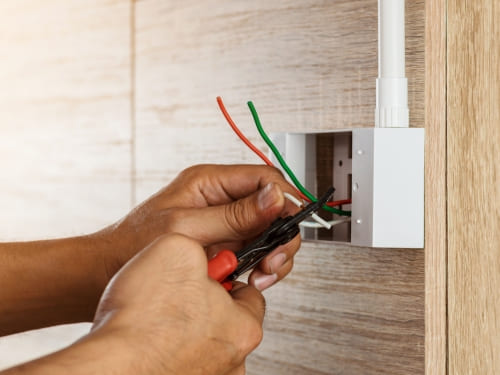
The decision between repairing and replacing a hot water system comes down to the age of the unit, the cost of the repair, and the system type. As a general rule, if a hot water system is over 10 years old and requires a repair costing more than $400–$500, replacement is usually the better investment — a repaired old unit typically fails again within one to two years. For systems under 5 years old, most faults (thermostat failure, anode rod replacement, tempering valve fault) are economical to repair. inspects the system and provides a clear recommendation — repair cost versus replacement cost, including the expected remaining lifespan of the current unit. The aim is accurate information to make an informed decision, not an upsell.
Your Local On Time Services
What Happens During a Hot Water Service Call
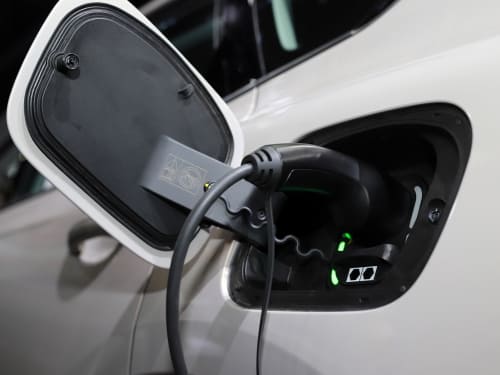
When you call for a hot water problem, the team attends in the agreed window, inspects the system and diagnoses the fault before quoting any work. For replacements, the new system is sourced and installed in the same visit in most cases — the team carries common replacement units to avoid a second callout. Electrical and plumbing connections are both handled by the same team, eliminating the need to coordinate two separate trades and reducing the total cost. All work is completed to manufacturer specifications and relevant compliance requirements, with Certificates of Compliance issued for the plumbing and electrical connections. Call 24/7 for hot water emergencies or to schedule a service across Lalor, Thomastown, Bundoora and surrounding suburbs.
TESTIMONIALS
What Our Hot Water Services Customers Say About Us
The Process
3 Step Process For Your Hot Water Services Needs

Contact Us
Start by completing the 'Get a Free Quote' form on our website to share your Hot Water Services needs with us.

Schedule Your Estimate
Next, we'll arrange a property visit at a time that works for you to provide an in-person estimate for your Hot Water Services needs.

Get The Job Done
After you approve our estimate, we'll schedule a date to complete the job. Our team will work hard to exceed your expectations!
areas we serve
Hot Water Services

Lalor is where Your Local On Time Services is based - a suburb at the centre of Melbourne's northern corridor with a housing stock that tells the full story of outer Melbourne's growth. The 1960s and 1970s homes that line Lalor's older streets are entering their sixth decade, and the electrical infrastructure in many of them hasn't been updated since they were built. From ceramic fuse boards to overloaded circuits and aging switchboards, Lalor's homes regularly need electrical work that small local operators are better positioned to deliver than national franchises dispatching from the city.
Broadmeadows has one of the highest rental property densities in Melbourne's northern suburbs — a mix of older private rentals, Housing Victoria stock and newer mid-density developments along the Pascoe Vale Road and Dimboola Road corridors. For landlords and property managers, this means a consistent demand for rental compliance checks, electrical safety certifications and switchboard assessments. serves Broadmeadows homeowners and landlords with the full range of electrical, plumbing and air conditioning services — available 24/7 from a base in nearby Lalor.
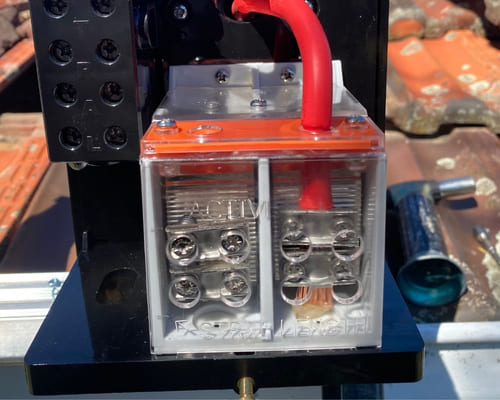
Bundoora is a suburb with two distinct housing eras — the 1970s and 1980s homes concentrated around the RMIT University Bundoora campus, and the newer development along Plenty Road and Kingsbury Drive toward South Morang. The older residential streets near the university are characterised by established trees, which means tree root intrusion in sewer lines is a recurring problem. Student rental properties in the area also drive consistent demand for electrical safety certifications and smoke alarm compliance. covers all of Bundoora for electrical, plumbing and air conditioning work from a base in nearby Lalor.
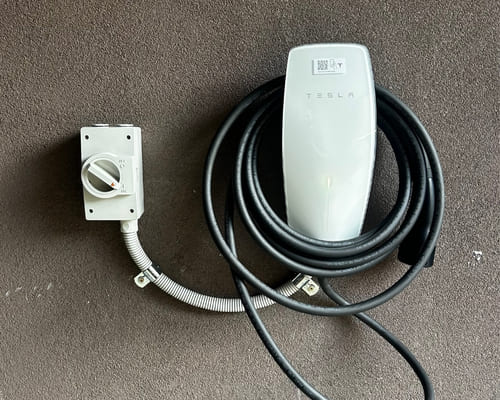
Doreen is one of Melbourne's northern growth corridors — a suburb that has expanded significantly since the 2000s and continues to see new land releases. The housing stock is predominantly newer, ranging from 10 to 20-year-old homes on established estates to brand-new builds still completing landscaping. This newer context means Doreen faces different electrical and plumbing challenges than older suburbs: developer-grade fixtures, EV charger demand from environmentally-conscious households, and split-system installations in homes that were built without ducted systems. covers all of Doreen for electrical, plumbing and air conditioning services from a base in nearby Lalor.

Epping is a major hub in Melbourne's northern growth corridor — a suburb with a genuinely mixed housing profile, from 1970s and 1980s homes in established residential streets to new townhouse developments and apartment buildings near the Pacific Epping shopping precinct. This mix creates a wide range of electrical and plumbing demands: older homes needing switchboard upgrades and rewiring, newer builds requiring EV charger circuits and split-system installations, and a large rental market driving steady demand for compliance inspections. serves all of Epping for electrical, plumbing and air conditioning work from a Lalor base.
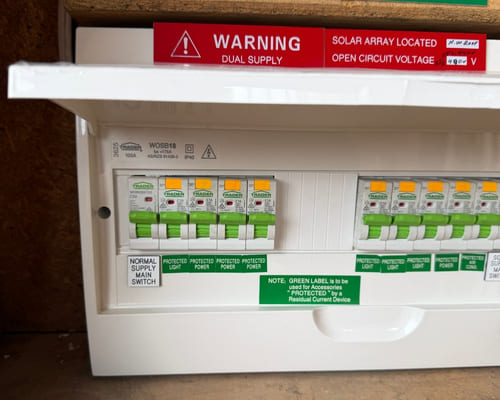
Mernda is one of Melbourne's newest growth suburbs — the Mernda rail extension opened in 2018, and residential development accelerated significantly from that point. The overwhelming majority of housing in Mernda has been built in the last 10–15 years, making this a suburb where new construction issues and developer-grade fixture failures are far more common than the aging infrastructure problems of inner-north suburbs. Young families, first home buyers and upsizers make up most of the population. covers all of Mernda for electrical, plumbing and air conditioning services from a nearby Lalor base.
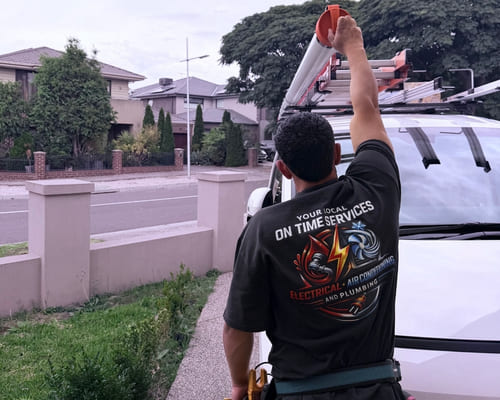
Mill Park developed primarily through the 1980s and 1990s, making it a suburb where the electrical and plumbing infrastructure is now 30–40 years old — old enough to require attention, but not so old as to need complete replacement in most cases. The housing stock is predominantly brick veneer family homes on generous blocks, and the suburb has seen a steady stream of renovation projects as original owners upgrade or new buyers renovate. Plenty Road forms the main commercial spine, and the residential streets off it have the kind of established neighbourhood character where word-of-mouth recommendations still carry significant weight. serves Mill Park homeowners with electrical, plumbing and air conditioning services from a Lalor base.
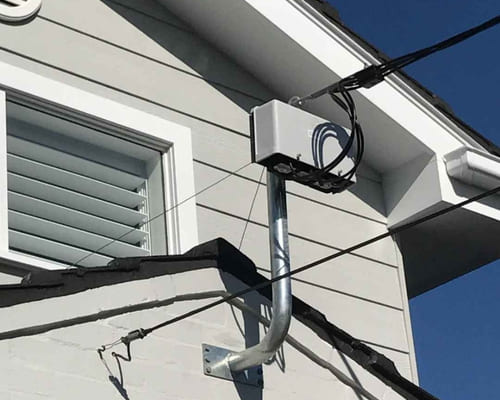
Preston sits in Melbourne's inner north, roughly 8km from the CBD, and its housing stock reflects that heritage — Californian bungalows, brick veneer cottages and interwar homes with original character features that owners are increasingly keen to preserve while modernising the infrastructure behind the walls. The renovation activity in Preston is significant, and the combination of heritage property constraints and modern electrical and plumbing requirements creates a demand for tradies who know how to work within heritage homes without causing cosmetic damage. covers Preston for electrical, plumbing and air conditioning services from a Lalor base.
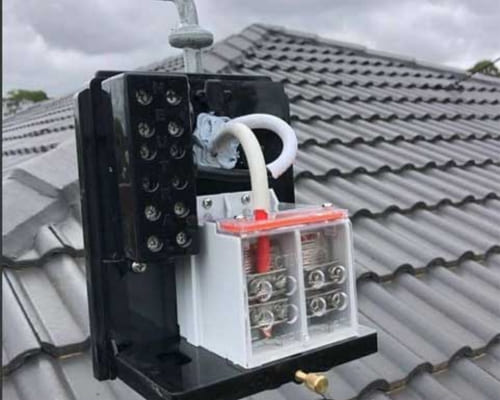
Reservoir is one of Melbourne's denser inner-north suburbs, with a housing profile that ranges from original worker's cottages and post-war homes on the older streets north of the city to newer apartment and townhouse developments along the main commercial corridors. The rental market in Reservoir is significant — over 40% of dwellings are rented — making compliance inspections and rental property maintenance a major part of the local electrical and plumbing workload. The older housing stock also generates consistent demand for rewiring and switchboard upgrades. covers all of Reservoir for electrical, plumbing and air conditioning services.
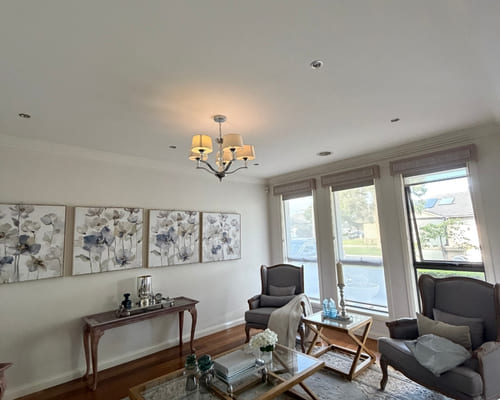
South Morang is a modern outer-northern suburb with predominantly 2000s to 2010s housing, developed in tandem with the extension of the Hurstbridge line and the growth of the Plenty Valley corridor. The suburb has a young family demographic and a housing stock that is modern enough to accommodate technology upgrades but old enough for initial infrastructure issues to start appearing. EV charger demand is growing, split-system installations are common, and hot water systems from the original builds are approaching their replacement window. covers South Morang for electrical, plumbing and air conditioning services from a nearby Lalor base.
Thomastown sits directly adjacent to Lalor — the same northern Melbourne corridor, the same mid-century housing stock, and the same reactive clay soil that creates recurring plumbing challenges in older homes. The suburb has a mix of residential and light industrial land use, with manufacturing and warehouse operations along Mahoneys Road and adjacent industrial precincts coexisting with the established residential streets. is practically next door to Thomastown, which means response times here are among the fastest in the service area. Full electrical, plumbing and air conditioning services are available 24/7 across all Thomastown streets.
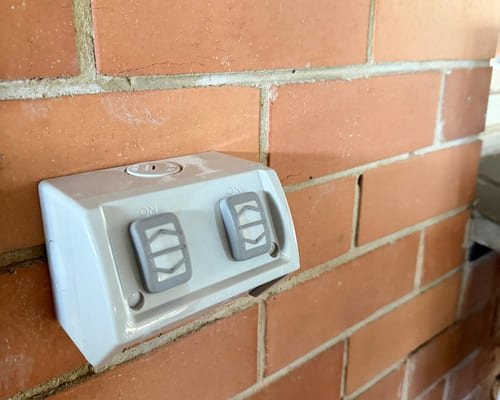
Wollert is one of Melbourne's newest residential suburbs — a greenfield development area that has been progressively releasing land since the mid-2000s, with significant accelerations in activity through the 2010s and ongoing. The housing is almost entirely new construction, the demographics are young families and first home buyers, and the infrastructure issues here bear almost no resemblance to those in older northern suburbs like Lalor or Thomastown. Developer-grade fixtures, new technology integration, and the specific failure patterns of volume-build construction define the Wollert electrical and plumbing workload. covers all of Wollert for electrical, plumbing and air conditioning services from a Lalor base.
Hot Water Services In Lalor
FREQUENTLY ASKED QUESTIONS
Everything you need to know about our Hot Water Services In Lalor
How much does hot water system replacement cost in Melbourne?
Hot water system replacement ranges from approximately $1,000–$1,500 for a standard electric storage system to $2,000–$3,500 for a heat pump (before government rebates). Gas instantaneous replacement typically falls in the $1,200–$2,000 range. provides a fixed price after inspecting your current system — call for a guide price specific to your setup.
How long does a hot water system replacement take?
Most standard hot water system replacements are completed within 3–4 hours. The team disconnects and removes the old unit, installs the new system, and tests it before leaving. You'll have hot water running again the same day in virtually all cases.
Is there a government rebate for replacing a hot water system in Victoria?
Yes — Victoria's Victorian Energy Upgrades (VEU) program provides rebates for replacing old inefficient hot water systems with heat pump alternatives. The rebate amount varies based on the system being replaced and the new unit installed, and can significantly reduce the out-of-pocket cost. advises on rebate eligibility as part of the replacement quote — call to discuss your current system and available rebates.

Request A Free Hot Water Services Quote
GET A FREE QUOTE
BUSINESS
SERVICES
SERVICE AREAS
OPERATING HOURS
Sun: Closed
Mon: 9:00am - 5:00pm
Tue: 9:00am - 5:00pm
Wed: 9:00am - 5:00pm
Thu: 9:00am - 5:00pm
Fri: 9:00am - 5:00pm
Sat: 9:00am - 5:00pm