
Lighting Installation In Lalor
Lighting Installation Experts
Over 20 years of electrical experience across Melbourne's northern suburbs
GET A FREE QUOTE
Your Local On Time Services
What Lighting Installation Covers for Northern Suburbs Homes
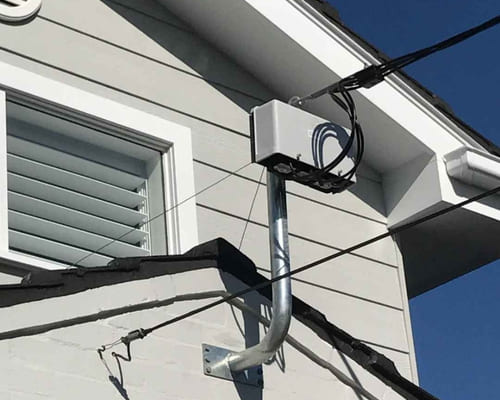
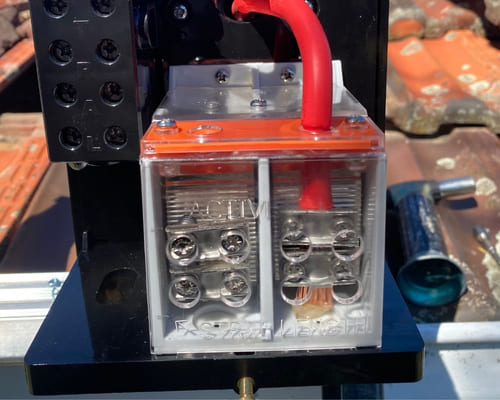
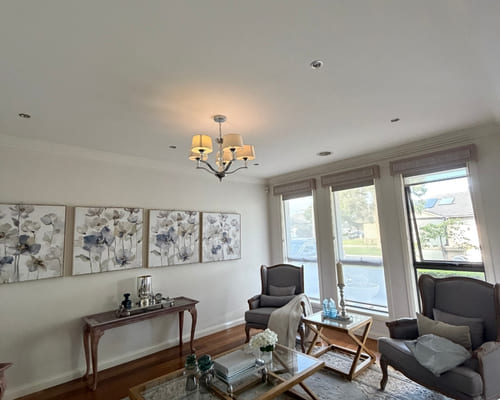
Residential lighting installation spans a wide range of work — from fitting a single outdoor sensor light to re-lamping an entire home with LED downlights, running a new lighting circuit for a renovation, or installing a smart lighting system integrated with a home automation setup. Common jobs in Lalor and the northern suburbs include LED downlight retrofits replacing halogen or fluorescent fittings, outdoor security and garden lighting, bathroom exhaust fan and light combination units, sensor lights at entry points and garages, and pendant or chandelier installations requiring new ceiling brackets and circuit modifications. All lighting installation work that involves connecting or disconnecting wiring must be performed by a licensed electrician — handles this under REC 24551 with a Certificate of Electrical Safety issued for any notifiable work.
Your Local On Time Services
The Case for LED Downlight Upgrades in Northern Suburbs Homes
Homes in Lalor and surrounding suburbs built in the 1990s to early 2000s commonly have large arrays of 50W halogen downlights — standard at the time but now significantly outperformed by modern LED alternatives. A room with 10 halogen downlights uses 500W of electricity and generates considerable heat; the same room with 10 LED downlights uses approximately 60–80W and produces a fraction of the heat. In summer, halogen downlights contribute meaningfully to cooling load — which matters in northern Melbourne's hot climate. There's also a safety consideration: halogen globes operating near insulation in ceiling spaces have been linked to ceiling fires, and the ceiling penetrations around downlights create pathways for draught and vermin. Modern LED downlights run cool, last significantly longer, and can be fitted with airtight trims where the ceiling meets insulated spaces above.
Your Local On Time Services
What to Expect When Booking a Lighting Job
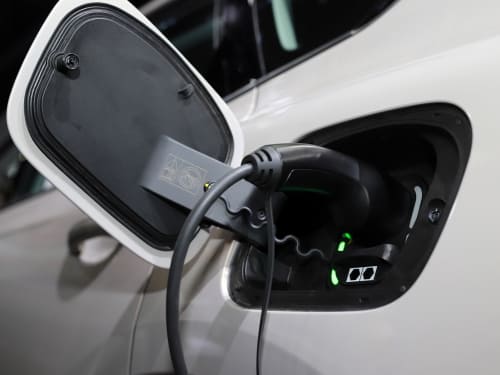
When you book a lighting installation, confirms the scope, recommends fittings and circuit layouts where appropriate, and provides a fixed price before any work begins. LED downlight retrofits are efficient and completed with minimal ceiling disruption — existing downlight holes are reused where possible, and any new holes are measured and cut cleanly. Outdoor lighting circuits are run in conduit where exposed, weatherproofed to appropriate IP ratings, and tested for correct operation. For smart lighting systems, compatibility with your existing platform is confirmed before installation. Call to discuss a lighting installation or get a quote across Lalor, Thomastown, Bundoora and surrounding northern suburbs.
TESTIMONIALS
What Our Lighting Installation Customers Say About Us
The Process
3 Step Process For Your Lighting Installation Needs

Contact Us
Start by completing the 'Get a Free Quote' form on our website to share your Lighting Installation needs with us.

Schedule Your Estimate
Next, we'll arrange a property visit at a time that works for you to provide an in-person estimate for your Lighting Installation needs.

Get The Job Done
After you approve our estimate, we'll schedule a date to complete the job. Our team will work hard to exceed your expectations!
areas we serve
Lighting Installation
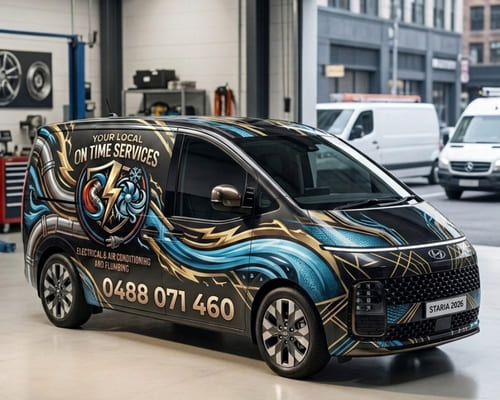
Lalor is where Your Local On Time Services is based - a suburb at the centre of Melbourne's northern corridor with a housing stock that tells the full story of outer Melbourne's growth. The 1960s and 1970s homes that line Lalor's older streets are entering their sixth decade, and the electrical infrastructure in many of them hasn't been updated since they were built. From ceramic fuse boards to overloaded circuits and aging switchboards, Lalor's homes regularly need electrical work that small local operators are better positioned to deliver than national franchises dispatching from the city.
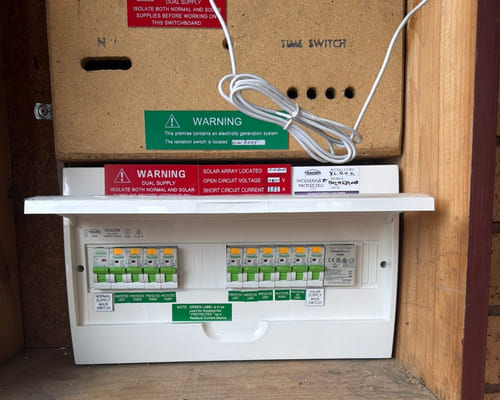
Broadmeadows has one of the highest rental property densities in Melbourne's northern suburbs, and a housing stock that skews significantly older than the Melbourne average. That combination creates persistent demand for compliance work, switchboard upgrades, and fault rectification - the type of jobs Your Local On Time Services handles across Broadmeadows from the nearby Lalor base.
Bundoora's mix of established 1970s–80s family homes and a significant student rental population around RMIT and La Trobe University creates two very different electrical needs in the one suburb. Owner-occupiers in older streets need switchboard work and rewiring assessments; landlords near the university campuses need compliance documentation that meets Victorian rental standards. Your Local On Time Services covers both from the Lalor base.
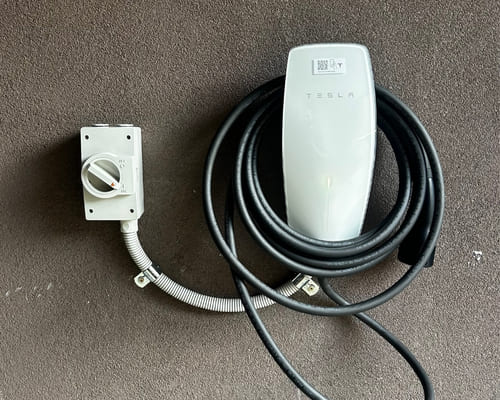
Doreen's modern housing stock sits at a different stage of the electrical lifecycle to Lalor's older streets - the homes here were built recently, but developer-grade components age faster than their specifications suggest, and a suburb full of growing families is adding circuits, EV chargers, and security systems to homes that were built to a builder's standard spec. Your Local On Time Services covers Doreen from the nearby Lalor base for all residential electrical work.

Epping sits at an interesting electrical crossroads - the older western streets carry the aging fuse boards and wiring of 1960s and 1970s homes, while the northern estates around Aurora and Epping North have modern builds with developer-grade fit-outs and growing EV charger demand. Your Local On Time Services covers the full range of Epping electrical work from the nearby Lalor base.
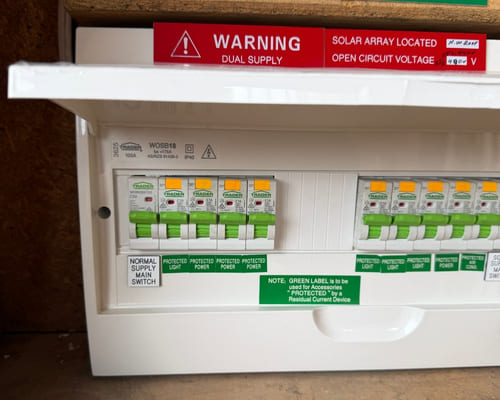
Mernda is one of Melbourne's faster-growing northern suburbs, with a housing stock that's mostly post-2010 and a demographic that skews towards young families. The electrical work here is driven less by aging infrastructure and more by expanding households adding circuits, EV chargers, and security systems to homes that were built to a builder's standard spec. Your Local On Time Services covers Mernda from the nearby Lalor base.
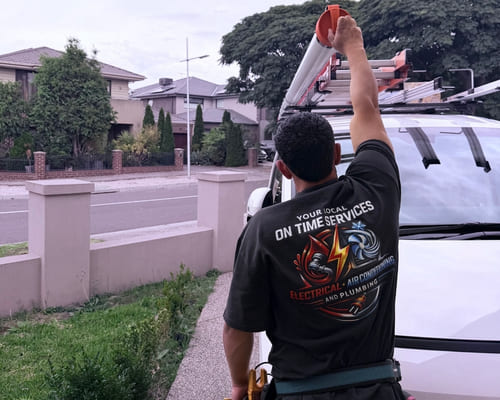
Mill Park's 1980s and early 1990s housing stock sits in an interesting position - modern enough to be structurally sound but old enough that many homes were built before RCD safety switch requirements became mandatory in Victoria. Your Local On Time Services covers Mill Park for switchboard safety additions, lighting upgrades, EV chargers, and 24/7 electrical emergencies from the Lalor base.
Preston's dense mix of Californian bungalows, post-war brick homes, and Federation-era weatherboards gives it one of the oldest median housing ages in Melbourne's north. Older wiring, heritage plaster walls, and a gentrification wave bringing renovation projects all create electrical work that requires more care and experience than new estate jobs. Your Local On Time Services covers Preston from the Lalor base for both legacy remediation and modern upgrades.
Reservoir carries one of the oldest median housing ages in Melbourne's inner-north, with a dense mix of pre-war, post-war, and 1950s–60s homes across a large rental and owner-occupier market. Older switchboards, cloth-sheathed wiring, and a competitive tradie market that residents are justifiably wary of - Your Local On Time Services covers Reservoir with fixed pricing and the same workmanship standards that apply in every suburb.
South Morang's modern estate homes sit in a similar position to nearby Mernda - relatively recently built, fundamentally sound, but increasingly in need of the electrical additions that weren't included in the original developer spec. EV chargers, outdoor circuits, lighting upgrades, and security systems are the dominant work types. Your Local On Time Services covers South Morang from the Lalor base with 24/7 availability.
Thomastown shares a boundary with Lalor - Your Local On Time Services's home suburb - which makes it the service area with the fastest response times of anywhere the team covers. The housing stock is a close match to Lalor's: predominantly 1960s to 1980s brick homes with switchboards and wiring that deserve regular attention, and a mix of owner-occupiers and rental properties with ongoing compliance needs.
Wollert is one of Melbourne's newest outer suburbs - the Donnybrook Wollert estate development is still underway, and most homes here were built post-2015 with modern electrical fit-outs. The work isn't remediation of aging infrastructure; it's additions and upgrades to developer-standard builds as growing households outgrow the baseline spec. Your Local On Time Services covers Wollert from the nearby Lalor base.
Lighting Installation In Lalor
FREQUENTLY ASKED QUESTIONS
Everything you need to know about our Lighting Installation In Lalor
How much does lighting installation cost in the northern suburbs?
A single sensor light installation typically costs $180–$280. LED downlight retrofits run approximately $80–$120 per light depending on access and quantity. New outdoor lighting circuits are quoted based on run length and fitting count. provides fixed upfront quotes — call for pricing specific to your project.
Do I need a licensed electrician to change a downlight or pendant fitting?
Yes — any work that involves connecting or disconnecting wiring, replacing a fitting, or modifying a circuit must be carried out by a licensed electrician. Changing a globe or a shade on a fitting with a bayonet or screw cap socket doesn't require a licence, but installing a new pendant, replacing a downlight transformer, or fitting a new fixture requires a licensed sparky and a Certificate of Electrical Safety for notifiable work.
Can you install outdoor garden lighting as part of a landscaping project?
Yes — coordinates with landscaping projects to install outdoor lighting circuits, in-ground fittings, path lighting and feature lighting. Circuits are run through conduit, all electrical connections are made under REC 24551, and appropriate weatherproofing is applied for outdoor environments. If you're mid-project, we can stage the electrical work to align with what the landscaper needs on site.

Request A Free Lighting Installation Quote
GET A FREE QUOTE
BUSINESS
SERVICES
SERVICE AREAS
OPERATING HOURS
Sun: 24 hrs
Mon: 24 hrs
Tue: 24 hrs
Wed: 24 hrs
Thu: 24 hrs
Fri: 24 hrs
Sat: 24 hrs
This is a ParagrABN:54 603 142 570aph Font
This isREC 24551 a Paragraph Font