
Surge Protection In Lalor
Surge Protection Experts
Over 20 years of electrical experience across Melbourne's northern suburbs
GET A FREE QUOTE
Your Local On Time Services
Why Switchboard-Level Surge Protection Is the Only Complete Solution
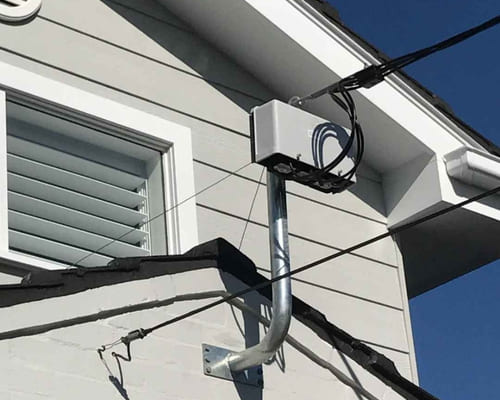
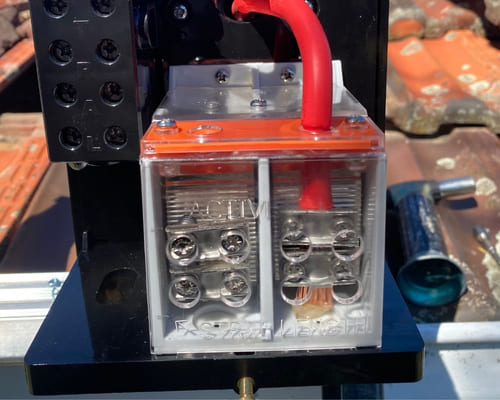
Surge protection devices installed at the switchboard intercept voltage spikes before they reach any circuits or appliances throughout the home. This is fundamentally different from a power board surge protector, which only protects devices plugged directly into that specific board - leaving hardwired appliances, separate-circuit equipment, and everything on other boards completely exposed. A switchboard SPD is connected to the main board and handles surges on all circuits simultaneously, including air conditioners, dishwashers, solar inverters and EV chargers that can't be plugged into a power board at all. Modern homes in Melbourne's northern suburbs contain significantly more sensitive electronics than they did 20 years ago - smart home systems, solar inverters, EV chargers and networked equipment are all vulnerable to surge damage that would have had minimal impact on a 1990s household.
Your Local On Time Services
The Real Surge Risk for Northern Suburbs Properties
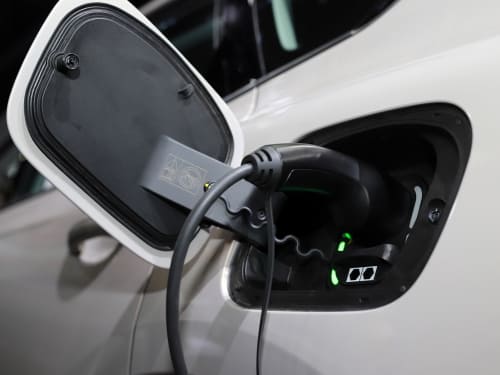
Melbourne's northern suburbs experience regular summer thunderstorm activity, and nearby lightning strikes are one of the most significant sources of residential power surges. But lightning isn't the only threat - the electricity network generates surges when large industrial loads switch on and off, and within the home, the starting cycles of air conditioners, refrigerators and pool pumps generate small surges that accumulate over time. Homes with solar panels face an additional consideration: solar inverters are sensitive electronic equipment that can be damaged by network surges transmitted through the grid connection. For properties with EV chargers, the charger represents a significant investment that warrants switchboard-level protection. A SPD installation is a one-time measure that protects the full value of your home's electronics and appliances indefinitely from the moment it's installed.
Your Local On Time Services
How Surge Protection Is Installed by
Surge protection device installation is typically completed in 1–2 hours within your switchboard. selects an appropriately rated SPD for your installation - the device rating needs to match the board size and the value of the equipment being protected - and installs it to AS/NZS 61643.11 standards. The installation is certified under a Certificate of Electrical Safety and tested before the job is signed off. For homes undergoing a switchboard upgrade, SPD installation can be incorporated in the same job at a reduced total cost. Call to discuss surge protection for your Lalor, Thomastown, Bundoora or northern suburbs home.
TESTIMONIALS
What Our Surge Protection Customers Say About Us
The Process
3 Step Process For Your Surge Protection Needs

Contact Us
Start by completing the 'Get a Free Quote' form on our website to share your Surge Protection needs with us.

Schedule Your Estimate
Next, we'll arrange a property visit at a time that works for you to provide an in-person estimate for your Surge Protection needs.

Get The Job Done
After you approve our estimate, we'll schedule a date to complete the job. Our team will work hard to exceed your expectations!
areas we serve
Surge Protection
Lalor is where Your Local On Time Services is based - a suburb at the centre of Melbourne's northern corridor with a housing stock that tells the full story of outer Melbourne's growth. The 1960s and 1970s homes that line Lalor's older streets are entering their sixth decade, and the electrical infrastructure in many of them hasn't been updated since they were built. From ceramic fuse boards to overloaded circuits and aging switchboards, Lalor's homes regularly need electrical work that small local operators are better positioned to deliver than national franchises dispatching from the city.
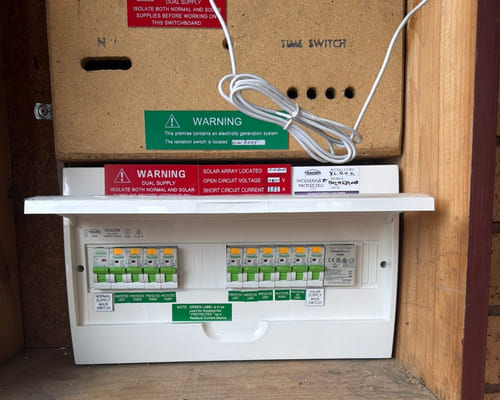
Broadmeadows has one of the highest rental property densities in Melbourne's northern suburbs, and a housing stock that skews significantly older than the Melbourne average. That combination creates persistent demand for compliance work, switchboard upgrades, and fault rectification - the type of jobs Your Local On Time Services handles across Broadmeadows from the nearby Lalor base.
Bundoora's mix of established 1970s–80s family homes and a significant student rental population around RMIT and La Trobe University creates two very different electrical needs in the one suburb. Owner-occupiers in older streets need switchboard work and rewiring assessments; landlords near the university campuses need compliance documentation that meets Victorian rental standards. Your Local On Time Services covers both from the Lalor base.
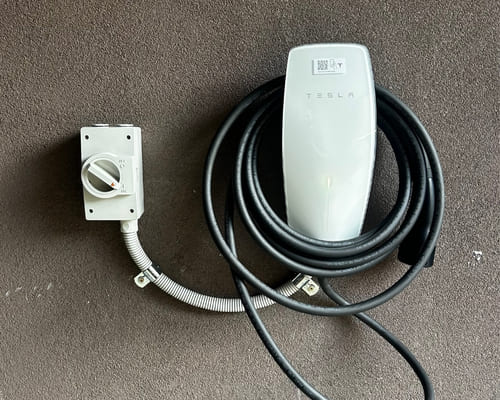
Doreen's modern housing stock sits at a different stage of the electrical lifecycle to Lalor's older streets - the homes here were built recently, but developer-grade components age faster than their specifications suggest, and a suburb full of growing families is adding circuits, EV chargers, and security systems to homes that were built to a builder's standard spec. Your Local On Time Services covers Doreen from the nearby Lalor base for all residential electrical work.
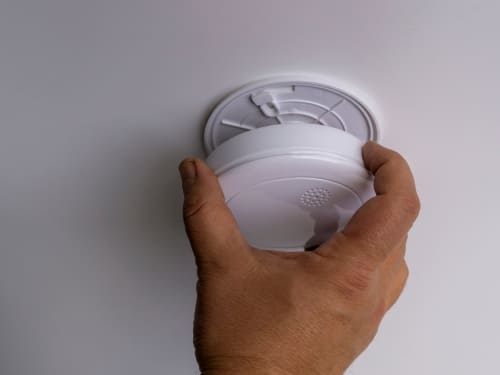
Epping sits at an interesting electrical crossroads - the older western streets carry the aging fuse boards and wiring of 1960s and 1970s homes, while the northern estates around Aurora and Epping North have modern builds with developer-grade fit-outs and growing EV charger demand. Your Local On Time Services covers the full range of Epping electrical work from the nearby Lalor base.
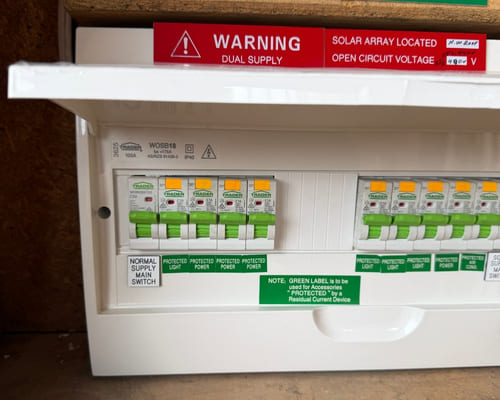
Mernda is one of Melbourne's faster-growing northern suburbs, with a housing stock that's mostly post-2010 and a demographic that skews towards young families. The electrical work here is driven less by aging infrastructure and more by expanding households adding circuits, EV chargers, and security systems to homes that were built to a builder's standard spec. Your Local On Time Services covers Mernda from the nearby Lalor base.
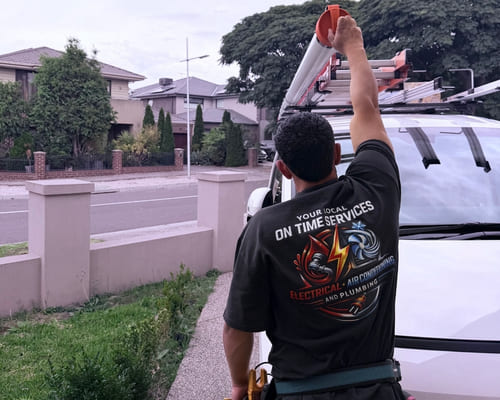
Mill Park's 1980s and early 1990s housing stock sits in an interesting position - modern enough to be structurally sound but old enough that many homes were built before RCD safety switch requirements became mandatory in Victoria. Your Local On Time Services covers Mill Park for switchboard safety additions, lighting upgrades, EV chargers, and 24/7 electrical emergencies from the Lalor base.
Preston's dense mix of Californian bungalows, post-war brick homes, and Federation-era weatherboards gives it one of the oldest median housing ages in Melbourne's north. Older wiring, heritage plaster walls, and a gentrification wave bringing renovation projects all create electrical work that requires more care and experience than new estate jobs. Your Local On Time Services covers Preston from the Lalor base for both legacy remediation and modern upgrades.
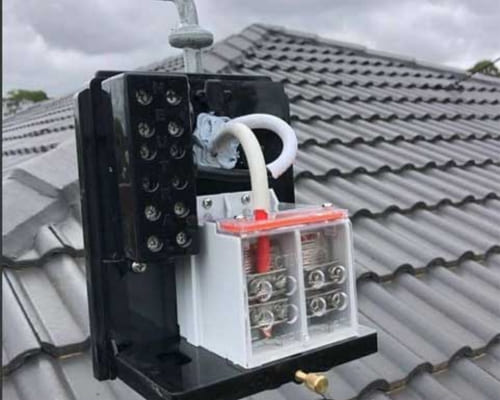
Reservoir carries one of the oldest median housing ages in Melbourne's inner-north, with a dense mix of pre-war, post-war, and 1950s–60s homes across a large rental and owner-occupier market. Older switchboards, cloth-sheathed wiring, and a competitive tradie market that residents are justifiably wary of - Your Local On Time Services covers Reservoir with fixed pricing and the same workmanship standards that apply in every suburb.
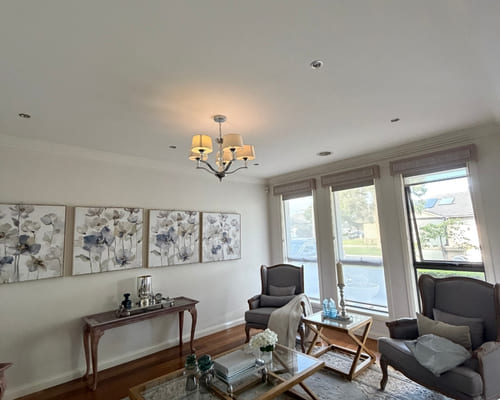
South Morang's modern estate homes sit in a similar position to nearby Mernda - relatively recently built, fundamentally sound, but increasingly in need of the electrical additions that weren't included in the original developer spec. EV chargers, outdoor circuits, lighting upgrades, and security systems are the dominant work types. Your Local On Time Services covers South Morang from the Lalor base with 24/7 availability.
Thomastown shares a boundary with Lalor - Your Local On Time Services's home suburb - which makes it the service area with the fastest response times of anywhere the team covers. The housing stock is a close match to Lalor's: predominantly 1960s to 1980s brick homes with switchboards and wiring that deserve regular attention, and a mix of owner-occupiers and rental properties with ongoing compliance needs.
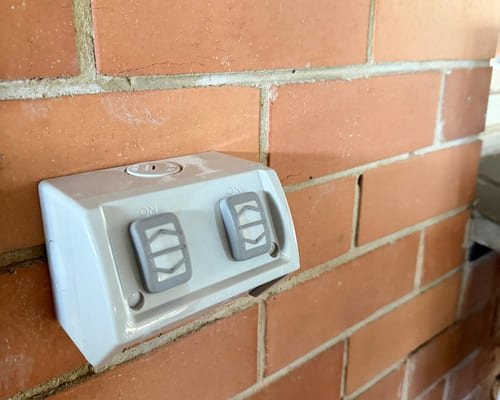
Wollert is one of Melbourne's newest outer suburbs - the Donnybrook Wollert estate development is still underway, and most homes here were built post-2015 with modern electrical fit-outs. The work isn't remediation of aging infrastructure; it's additions and upgrades to developer-standard builds as growing households outgrow the baseline spec. Your Local On Time Services covers Wollert from the nearby Lalor base.
Surge Protection In Lalor
FREQUENTLY ASKED QUESTIONS
Everything you need to know about our Surge Protection In Lalor
How much does surge protection installation cost?
Switchboard surge protection device installation typically costs between $400 and $700 including parts and labour, depending on the board size and SPD rating required. This is a one-time cost that protects all appliances in the home from that point forward. provides a fixed quote before starting - call for pricing specific to your switchboard.
Can a power board surge protector protect my whole house?
No - a power board surge protector only protects devices plugged directly into it. Hardwired appliances such as air conditioners, dishwashers and ovens, the solar inverter, and every device on a different circuit remain completely unprotected. A switchboard SPD is the only practical way to protect the entire home, and it operates automatically with no ongoing management required.
Is surge protection worth adding if I already have a new switchboard?
Yes - a new switchboard improves circuit protection and safety compliance, but it doesn't include surge protection unless a SPD was specifically installed as part of the job. If your switchboard upgrade didn't include an SPD, can add one in a separate visit. Given the value of modern home electronics and the frequency of storm activity in Melbourne's northern suburbs, it's a worthwhile addition to any modern board.

Request A Free Surge Protection Quote
GET A FREE QUOTE
BUSINESS
SERVICES
SERVICE AREAS
OPERATING HOURS
Sun: 24 hrs
Mon: 24 hrs
Tue: 24 hrs
Wed: 24 hrs
Thu: 24 hrs
Fri: 24 hrs
Sat: 24 hrs
This is a ParagrABN:54 603 142 570aph Font
This isREC 24551 a Paragraph Font